I architect, build, and ship production-grade software across the full stack—from AI-powered products and backend systems to durable workflows, integrations, and business automation. I use the right AI tools for the job to move faster without compromising engineering judgment, while retaining ownership of architecture, implementation, review, debugging, security, and production quality.
I'm Jonas Viray, a Full Stack Developer and AI Automation Engineer based in the Philippines.
I take ownership of software from architecture through production, working across interfaces, backend services, APIs, databases, integrations, durable workflows, infrastructure, and automation. I use AI-assisted development with Codex and Claude Code to accelerate research, implementation, debugging, refactoring, and review while keeping technical decisions and final validation hands-on.
My work is centered on reliable systems, clear boundaries, maintainable code, and automation that reduces operational overhead. I think beyond individual features to how data moves, services fail, workflows recover, and teams maintain the system after launch.
From React and Next.js interfaces to Node.js and Laravel services, Python and FastAPI backends, Temporal durable workflows, Supabase and PostgreSQL data layers, Docker deployments, and n8n automation, I build end-to-end systems designed to hold up in production.
Education
Bachelor of Science in Computer Science
Quezonian Educational College, Inc. (QECI) · Atimonan, Quezon, Philippines
Production systems spanning backend workflow orchestration, AI-enabled products, operations platforms, integrations, client implementations, and full-stack delivery. Every project is included in this carousel.
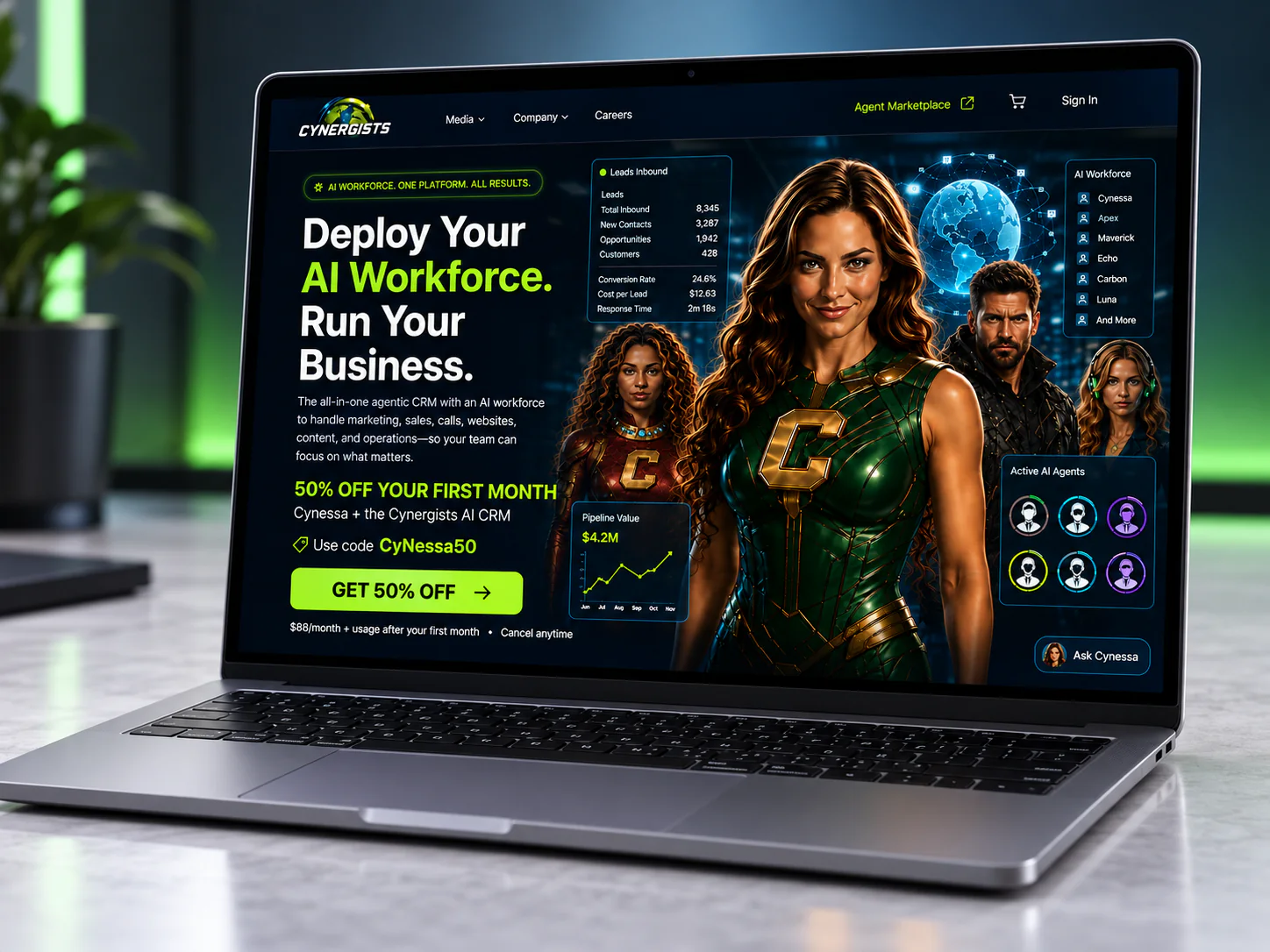
An agentic CRM where one AI, Cynessa, runs lead generation, follow-up, booking, campaigns, calls, and websites. It sits on a multi-tenant CRM with approval-gated actions, multi-provider LLM routing, real-time voice, and usage-based billing.
team role
Full Stack AI Developer and largest individual contributor: 4,000+ merged pull requests (about two-thirds of all merged PRs) and 6,700+ commits since April 2026 across frontend, backend, AI systems, real-time voice, infrastructure, and security on the Cynergists AI product team.
A production backend for an AI-powered property management platform, using durable workflow orchestration to execute long-running processes across delinquency, maintenance, tenant communication, and compliance-sensitive operations.
team role
Backend Developer on the Active Management AI product team, focused on backend APIs, durable workflow orchestration, scheduled execution, reliability, and testing.
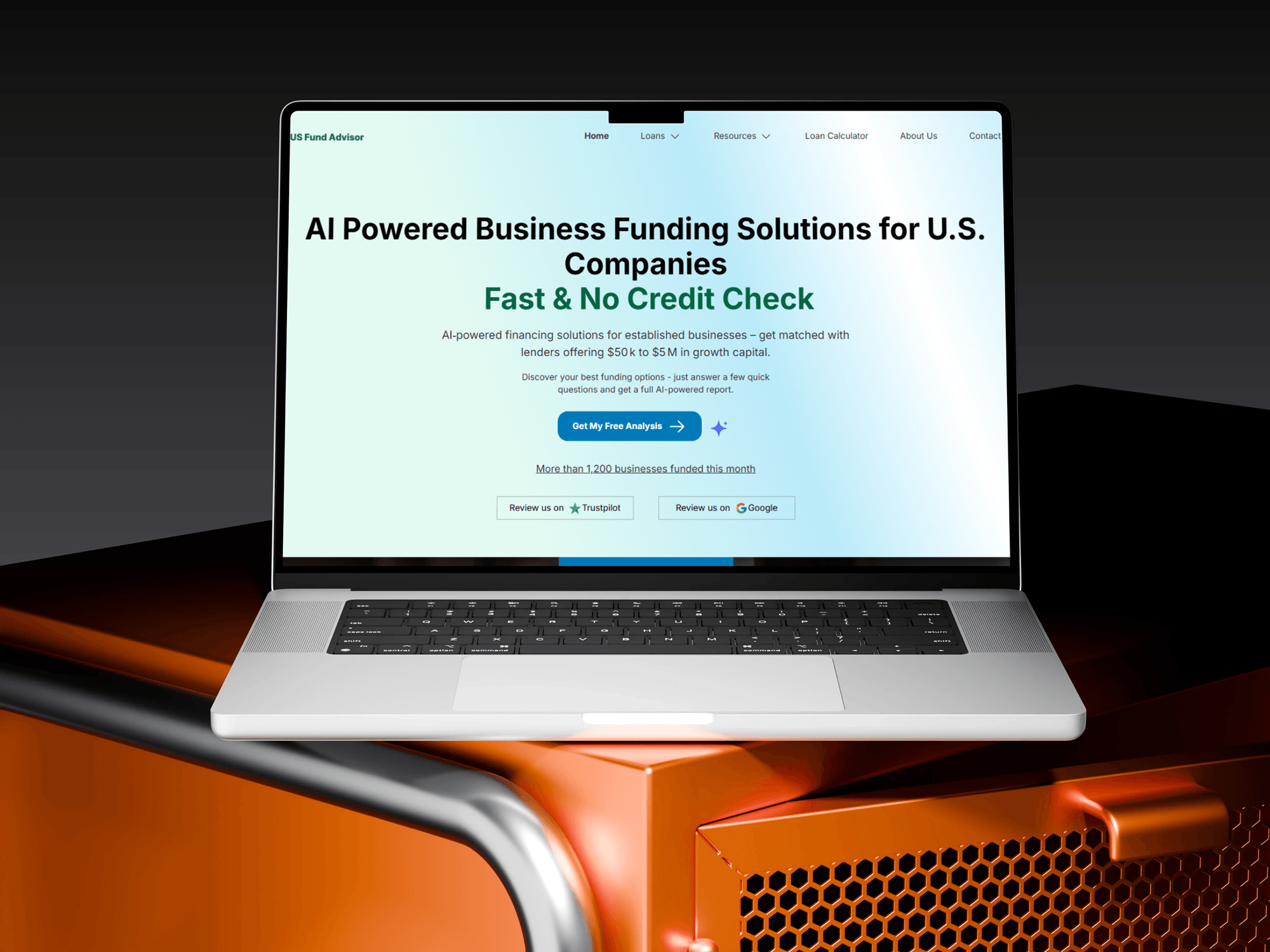
A production business-funding platform that combines AI analysis with account flows, financial data, payments, communications, document generation, external APIs, and multi-service infrastructure inside one end-to-end application.
contribution
Worked across the production application stack that surrounds the AI analysis flow, including frontend journeys, backend services, validation, external APIs, account and funding workflows, reporting, document generation, and deployment infrastructure.
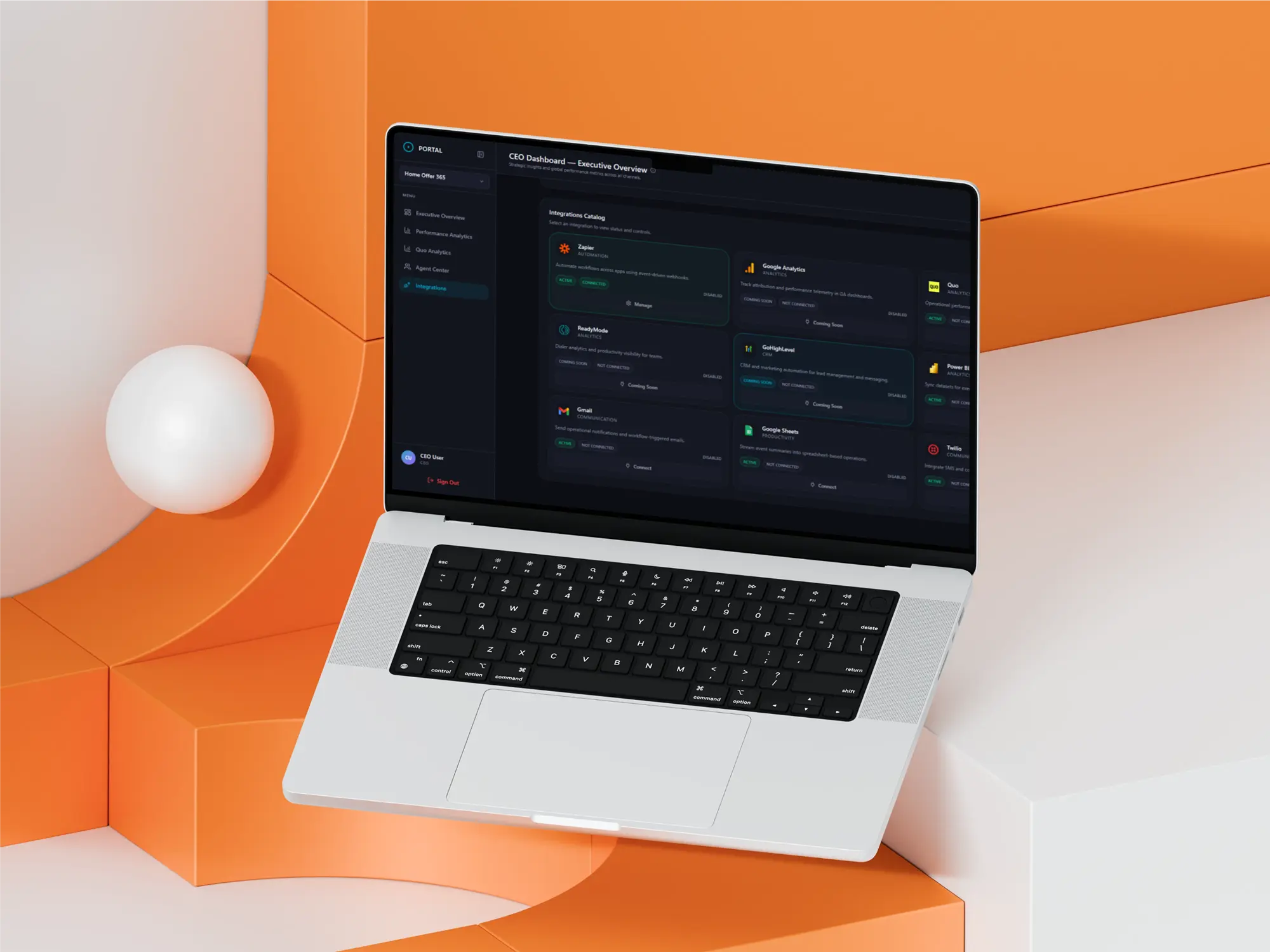
A multi-role operations platform that combines executive reporting, communication analytics, integration management, scheduling, and day-to-day workflow tools behind organization-aware access and authenticated backend services.
contribution
Built the full-stack dashboard experience across role-based interfaces, reporting views, integration management, scheduling, settings, and the backend flows that keep data scoped to the correct organization and user.
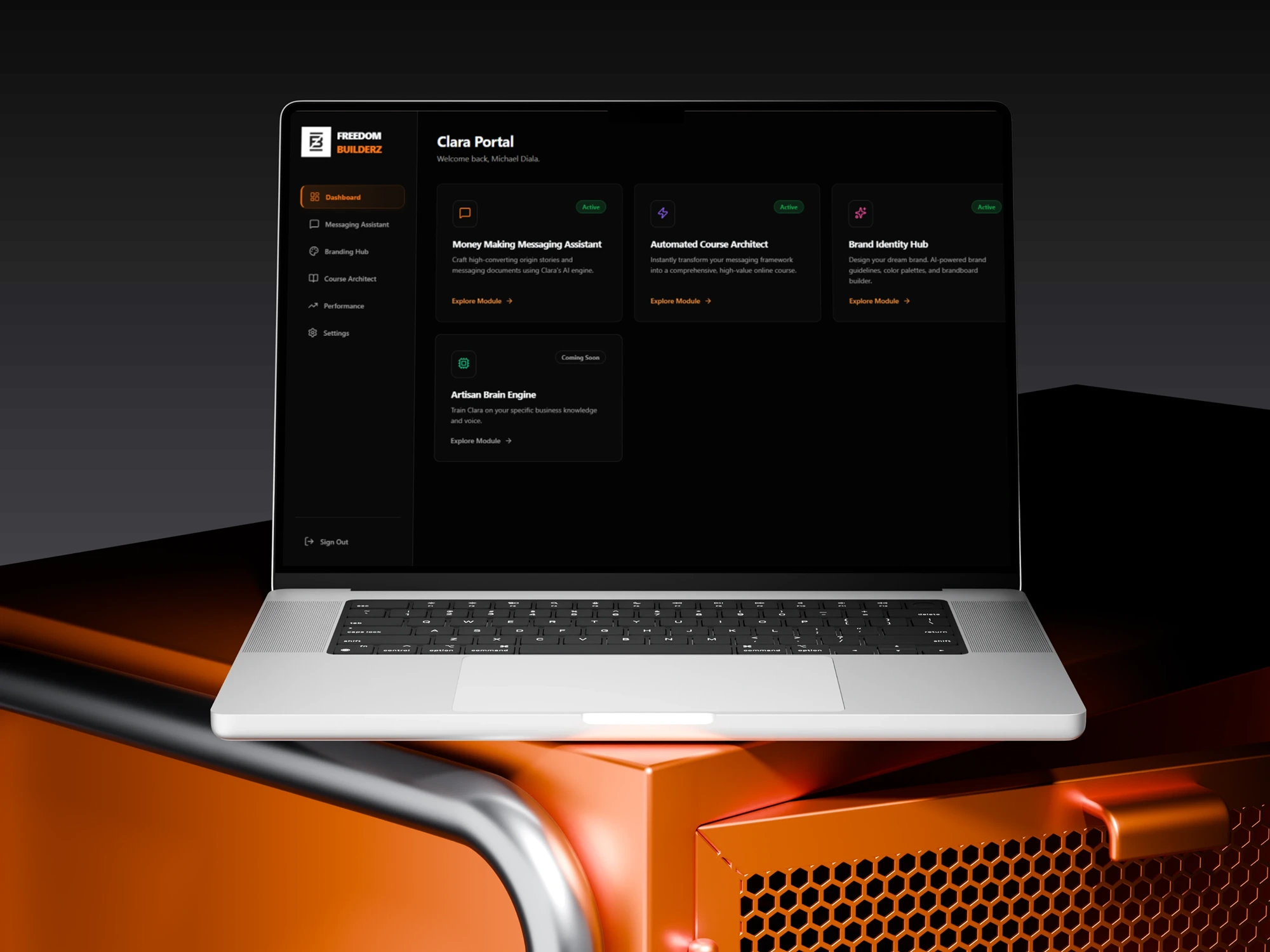
An AI-enabled coaching platform with secure user access and a workflow layer connecting OpenAI, GoHighLevel, n8n, Google Sheets, Google Docs, and Slack so model output can participate in real onboarding, lead qualification, and business processes.
contribution
Built the secure user-facing entry experience and connected the AI workflow stack so model output, CRM context, documents, and automation steps work together with clear boundaries between data, AI, and operational actions.
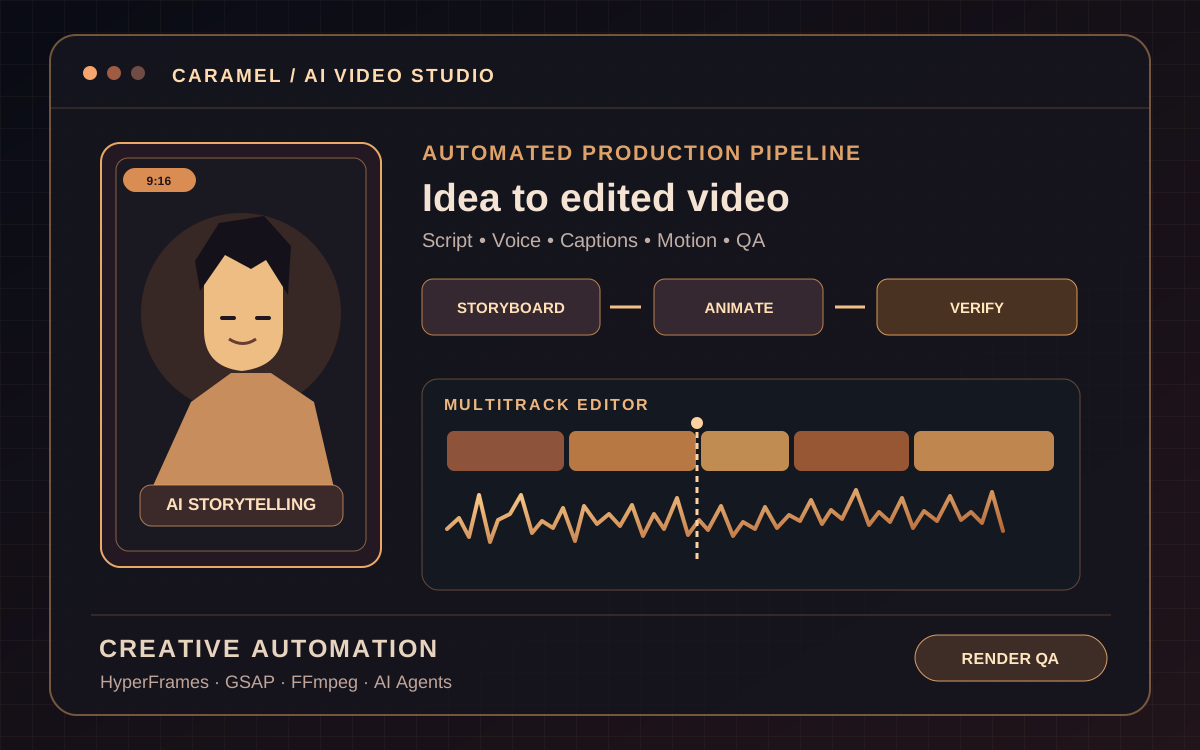
A code-driven AI-assisted video editing and animation workflow for branded short-form content, combining agent-directed editing, narrated scenes, motion graphics, timed captions, sound design, and render QA.
contribution
Designed and extended a Caramel-branded production workflow on top of the open-source free247editor and Herk Edit Kit foundations, retaining attribution. Built reusable scene and asset selection, editorial rules, QA tools, exact-source animation checks and a human sound-on review gate.
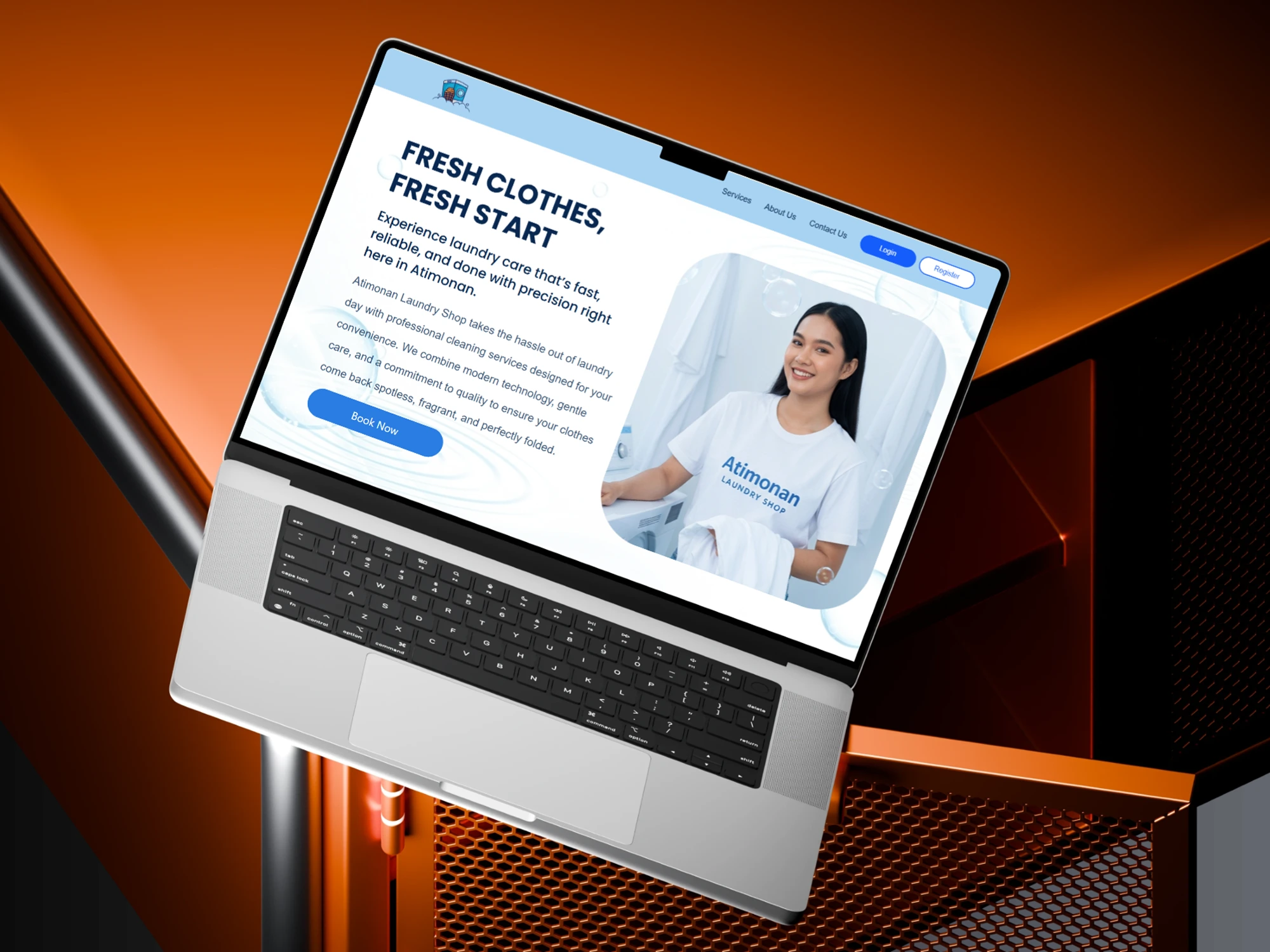
A full booking and service-operations application covering customer scheduling, order status, payments, notifications, and staff administration, backed by Express, Supabase, Redis, and production deployment on Vercel.
contribution
Built the end-to-end customer and operations flow, including booking with pickup or drop-off scheduling, order lifecycle tracking, customer accounts, payment options, and the role-based admin workspace for bookings, staff, pricing, pickup, delivery, and reporting.
An authenticated teacher operations portal for the Netspeak ecosystem, centralizing performance visibility and day-to-day work activity with Next.js, Supabase, and Prisma.
contribution
Built the portal experience around authenticated access, performance visibility, and work-activity tracking, connecting the user interface to the underlying application data and operational flows.
A full-stack real-estate investment platform for presenting discounted property opportunities and supporting buyer engagement across a React and TypeScript interface with Firebase and backend services.
contribution
Contributed to the full-stack implementation of the investment platform, including the application experience used to present opportunities and support buyer-facing interactions across the listed frontend and backend stack.
A GoHighLevel-based IT services website with custom HTML, CSS, and JavaScript for presenting web development, automation, infrastructure, and technical service offerings.
contribution
Contributed to the website implementation by extending GoHighLevel with custom frontend code and organizing service content into a more structured, responsive experience.
A GoHighLevel coaching and mentorship website with custom frontend work, program pages, event flows, and Humanitix integration for a multi-offer personal-development brand.
contribution
Built and refined responsive sections, program and event flows, reusable presentation patterns, and conversion paths across the GoHighLevel implementation.
A GoHighLevel coaching and wellness website with custom HTML, CSS, and JavaScript for presenting membership, one-to-one coaching, and supporting program content.
team role
One of the developers on the Innov8IT team that built this site, contributing to its build alongside other team members.
A GoHighLevel financial-services website with custom frontend work for home-loan, refinancing, and property-investment service pages, lead capture, and supporting finance tools.
contribution
Implemented and refined the frontend structure for finance service content, responsive layouts, custom sections, and conversion paths within the existing GoHighLevel stack.
A GoHighLevel wellness website with custom HTML, CSS, and JavaScript for presenting multiple services, practitioner content, testimonials, and enquiry paths.
contribution
Worked on the frontend and platform implementation, focusing on content hierarchy, responsive presentation, reusable sections, and enquiry-oriented calls to action.
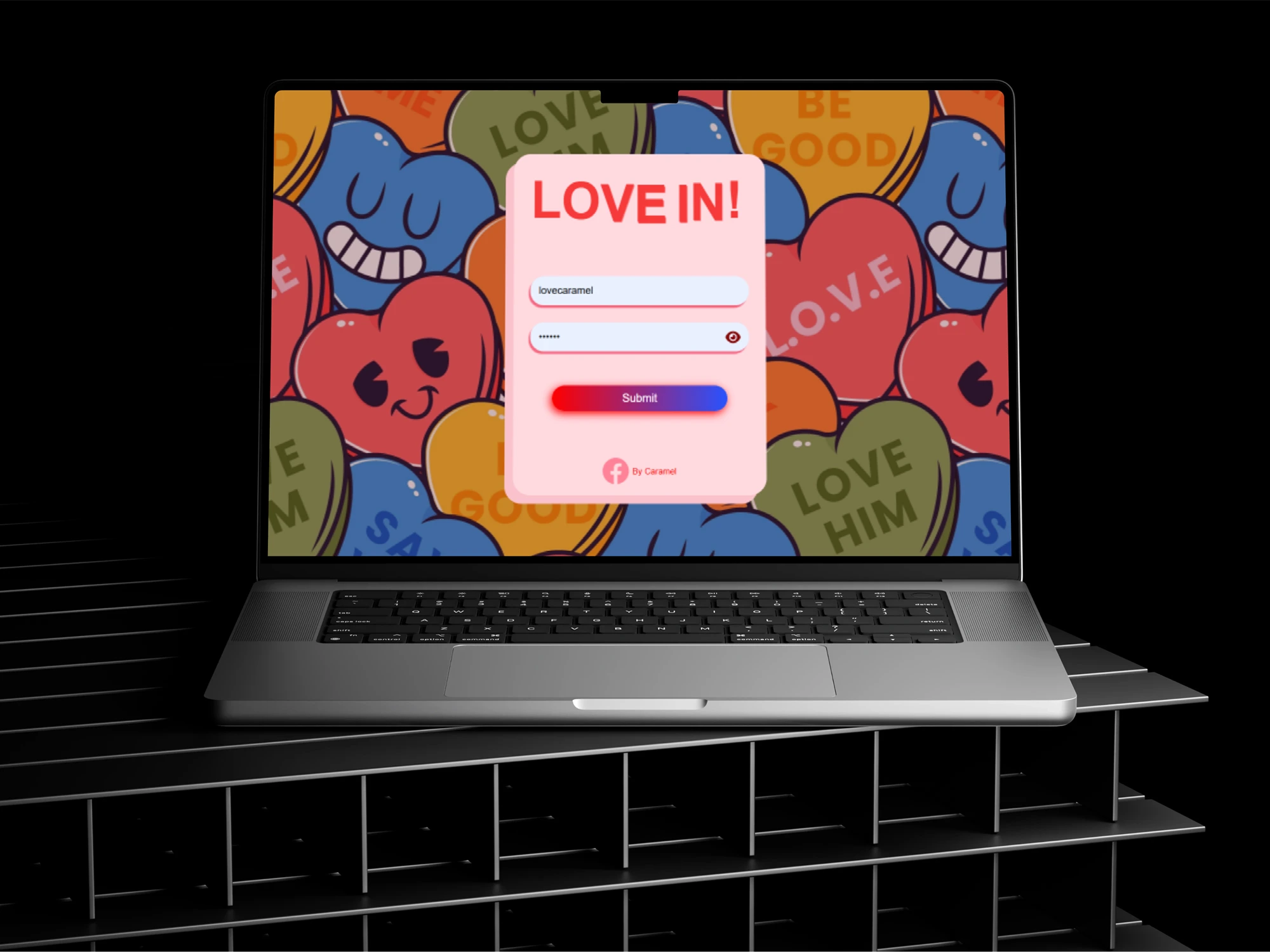
A lightweight interactive microsite built with HTML, CSS, JavaScript, and PHP, using guided interactions and animations to reveal a personalized Valentine's message.
contribution
Built the interactive experience and sequencing logic as an early web project focused on event handling, animation, and simple stateful behavior.
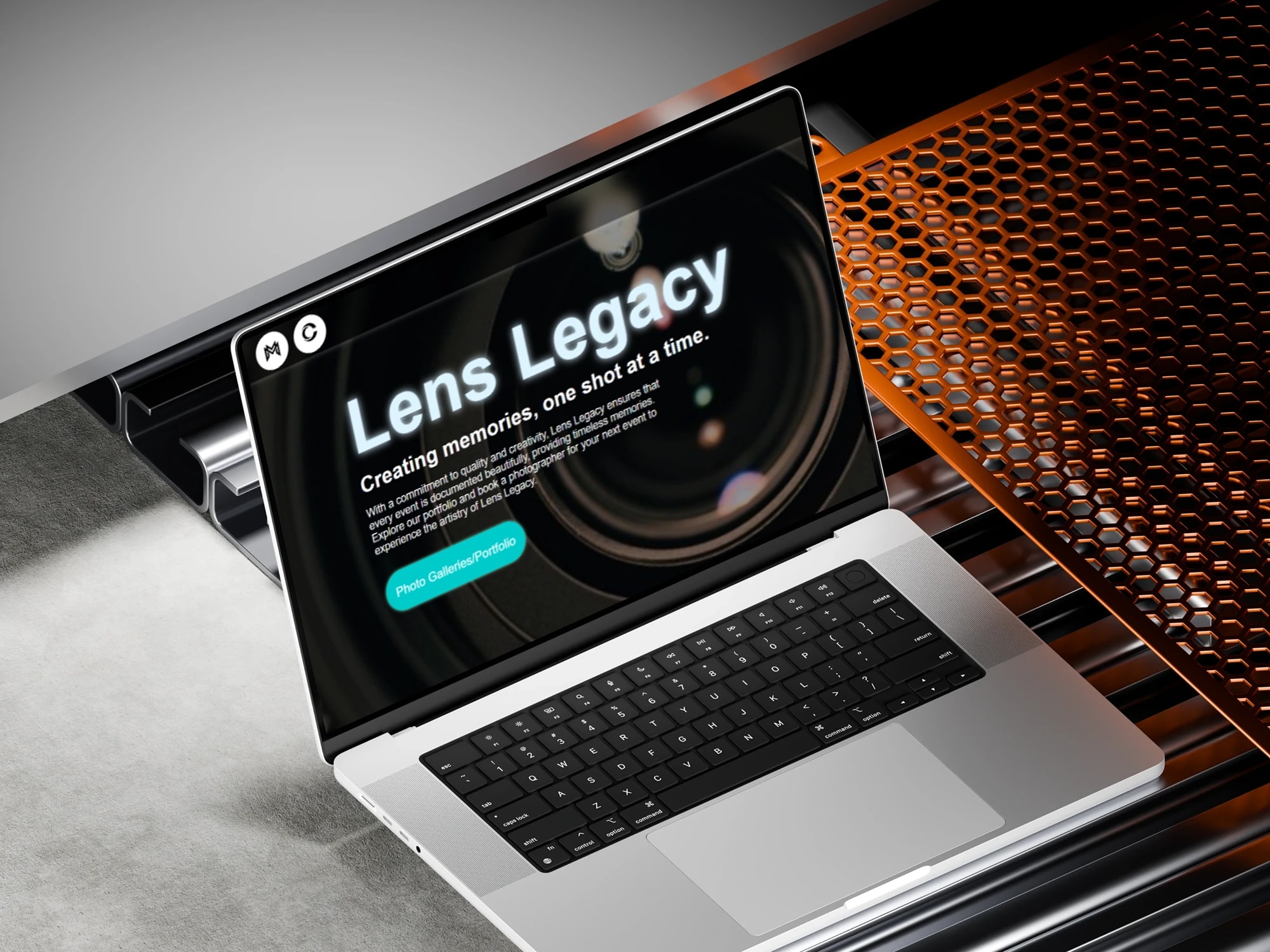
A static photography portfolio built with HTML, CSS, and JavaScript, centered on image presentation, service discovery, and contact-oriented navigation.
contribution
Built the responsive front-end structure, image-led layouts, navigation, and supporting information architecture as an early portfolio project.
A static informational website built with HTML, CSS, and JavaScript for organizing Industrial Design Technology content, maps, galleries, and visual references.
contribution
Built the information architecture and frontend presentation as an early project, focusing on navigation, content grouping, and visual clarity.
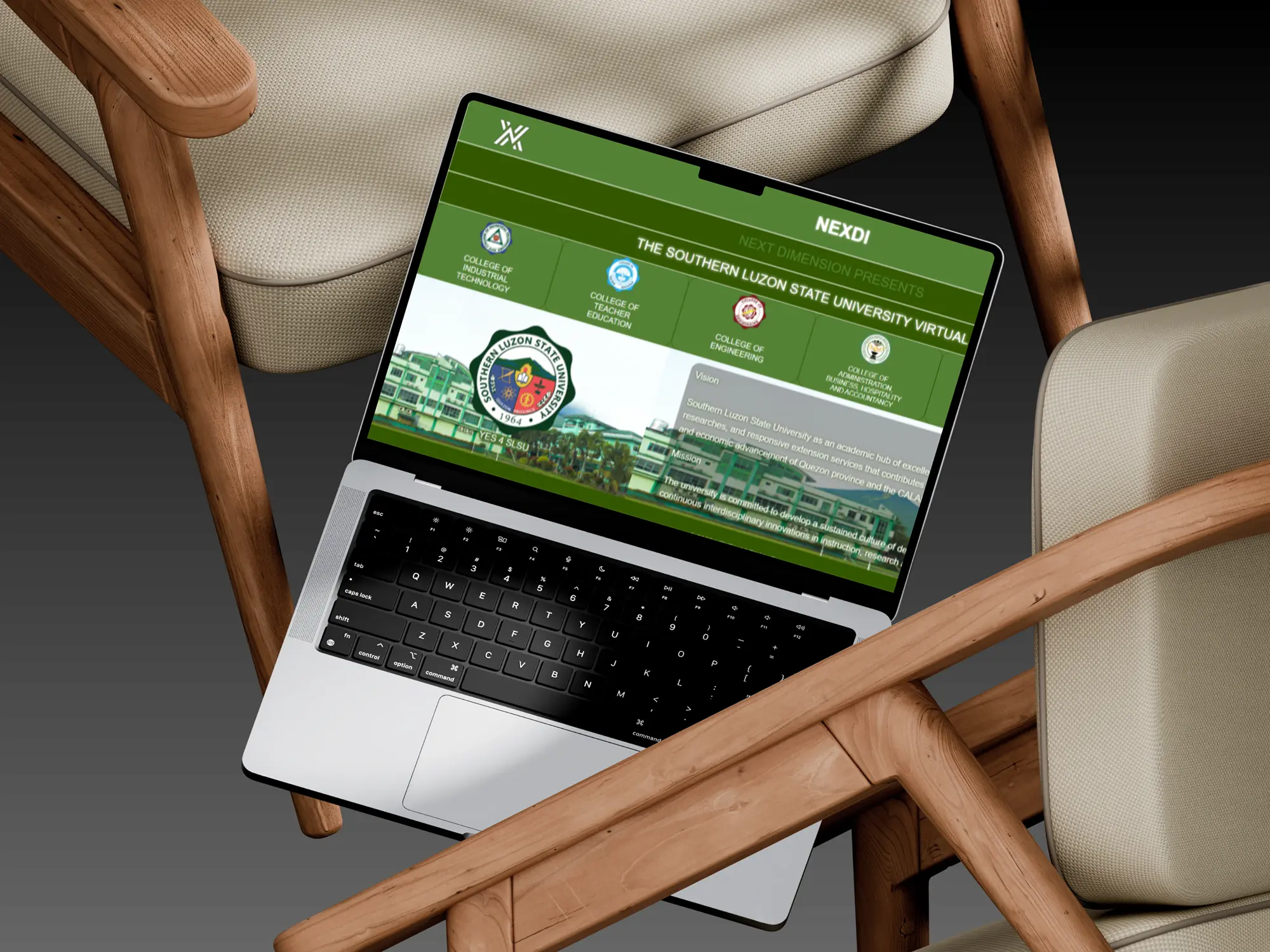
A static university virtual-tour website built with HTML, CSS, and JavaScript to organize college, facility, and institutional information into a guided browsing experience.
contribution
Built the frontend structure and guided navigation as an early project centered on organizing a larger information set into a coherent browsing flow.
A jQuery-based creative portfolio built with HTML, CSS, and JavaScript to present filmmaking and digital-illustration content across multiple themed sections.
contribution
Built the multi-section frontend and interactions as an early project, combining themed presentation, navigation, and basic client-side behavior.
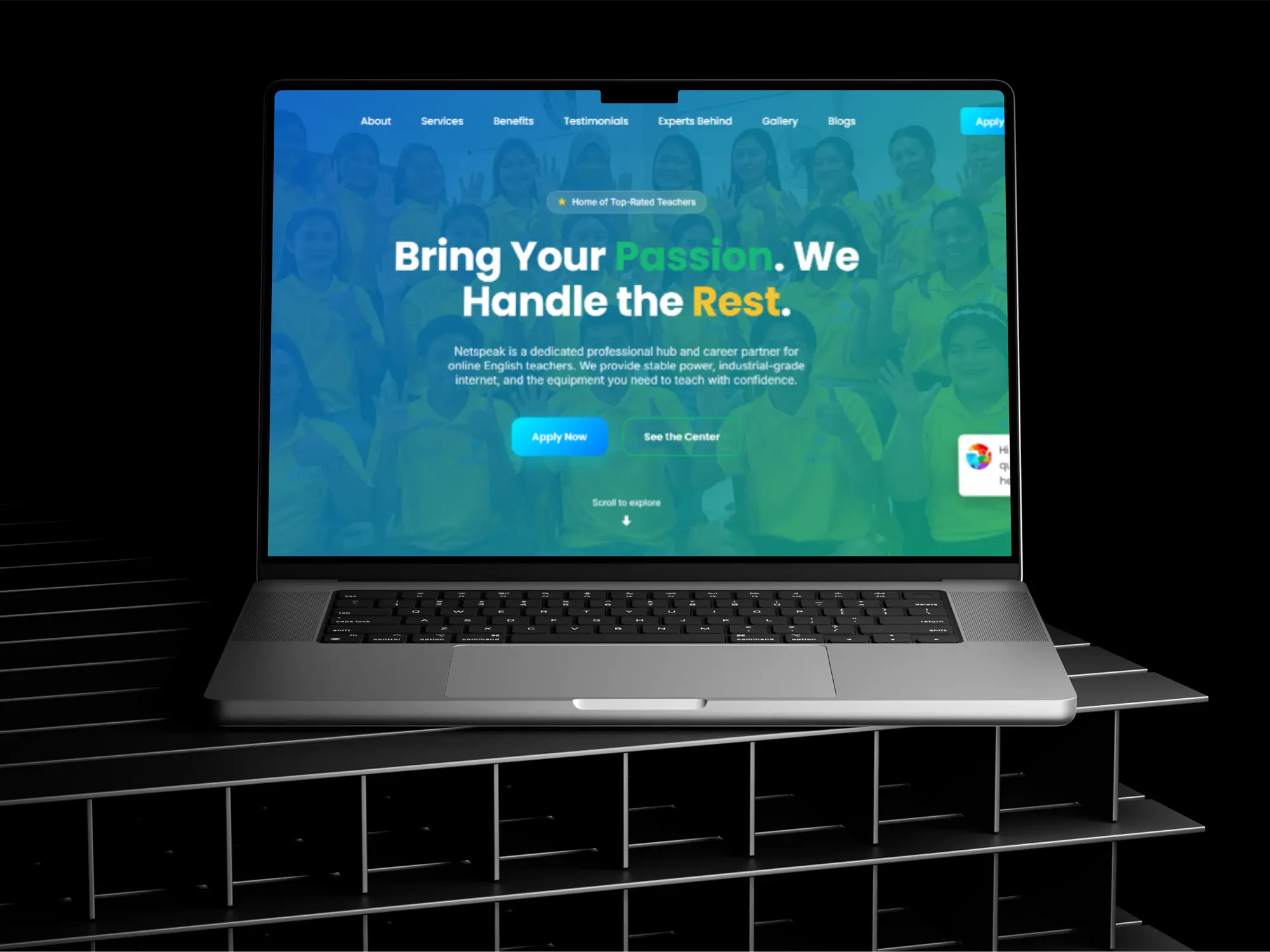
A GoHighLevel website for an online English teaching hub, using custom HTML, CSS, and JavaScript to present workspace infrastructure, teacher support, services, and career information.
contribution
Implemented and refined the custom frontend experience across service, facility, teacher-support, testimonial, and career content.
AI is part of my engineering workflow, not a substitute for engineering judgment. I use coding agents, context engineering, orchestration, reusable skills, and connected tools to accelerate delivery while I retain ownership of architecture, review, debugging, and production quality.
agent workspace
diff
verified
01 / AI engineering
Codex & Claude Code
I use AI coding agents for feature implementation, refactoring, debugging, codebase analysis, and technical documentation. I define the architecture, constraints, and acceptance criteria, then review and correct the output before it ships.
repo
rules
examples
done
context
02 / AI engineering
Context Engineering
I structure repository context, requirements, constraints, examples, and definitions of done so agents work from the right information instead of guessing from a shallow prompt.
ideas
spec
plan
03 / AI engineering
Spec-Driven Planning
Before an agent writes code, I turn the request into a short brainstorm, a written spec, and a step-by-step plan with acceptance criteria, so every change has a clear target and the reviewer knows what done means.
research
build
debug
review
04 / AI engineering
Agent Orchestration
I break larger work into scoped tasks and coordinate specialized agents for research, implementation, debugging, review, and documentation without losing the overall product context.
agent/ui
PR
agent/api
PR
agent/tests
PR
main
05 / AI engineering
Parallel Agents & Worktrees
I run several agents at once on isolated git worktrees and branches, each owning one scoped task, and land the work as small, focused pull requests that are easy to review and easy to revert.
git
api
docs
deploy
db
06 / AI engineering
MCP, Tools & Skills
I connect AI workflows to tools such as GitHub, deployments, documentation, APIs, files, and reusable skills so agents can inspect real systems and perform controlled multi-step work.
issue
implement
review
ci
human
agents never push to main
07 / AI engineering
Autonomous PR Pipeline
For well-scoped tickets I built a pipeline where one agent implements, a second agent reviews and must approve, CI gates the change, and a human makes the final merge. Agents never push straight to main.
diff review
lint
tests
build
08 / AI engineering
Review & Verification
AI output is treated as engineering work to verify. I inspect diffs, reason through edge cases, run builds and checks, debug failures, and correct generated code before it reaches production.
rules
tests
ci
release
safe
blocked: no testsverified · ship
09 / AI engineering
Guardrails & Release Safety
I write the rules agents work under: repository instructions for Claude Code and Codex, a release-safety policy, SHA-pinned CI, migration-drift detection, and a failing-test ratchet that blocks regressions before an AI-assisted change can ship.
frontend
backend
automation
tests
shipped
10 / AI engineering
AI-Accelerated Delivery
The goal is not more generated code. It is faster, reviewable iteration: on Cynergists AI this workflow helped me ship 4,000+ merged pull requests across frontend, backend, AI systems, real-time voice, infrastructure, and security.
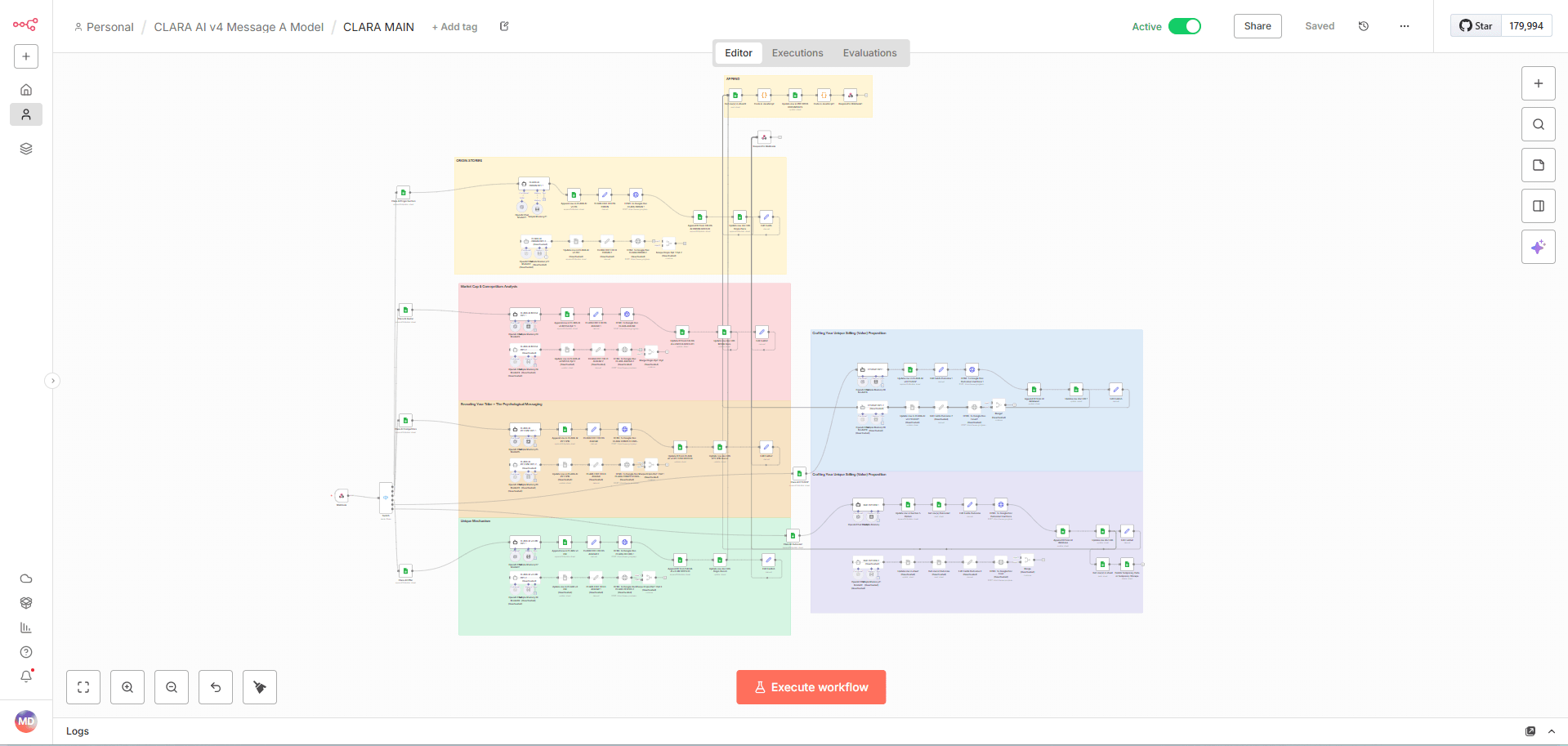
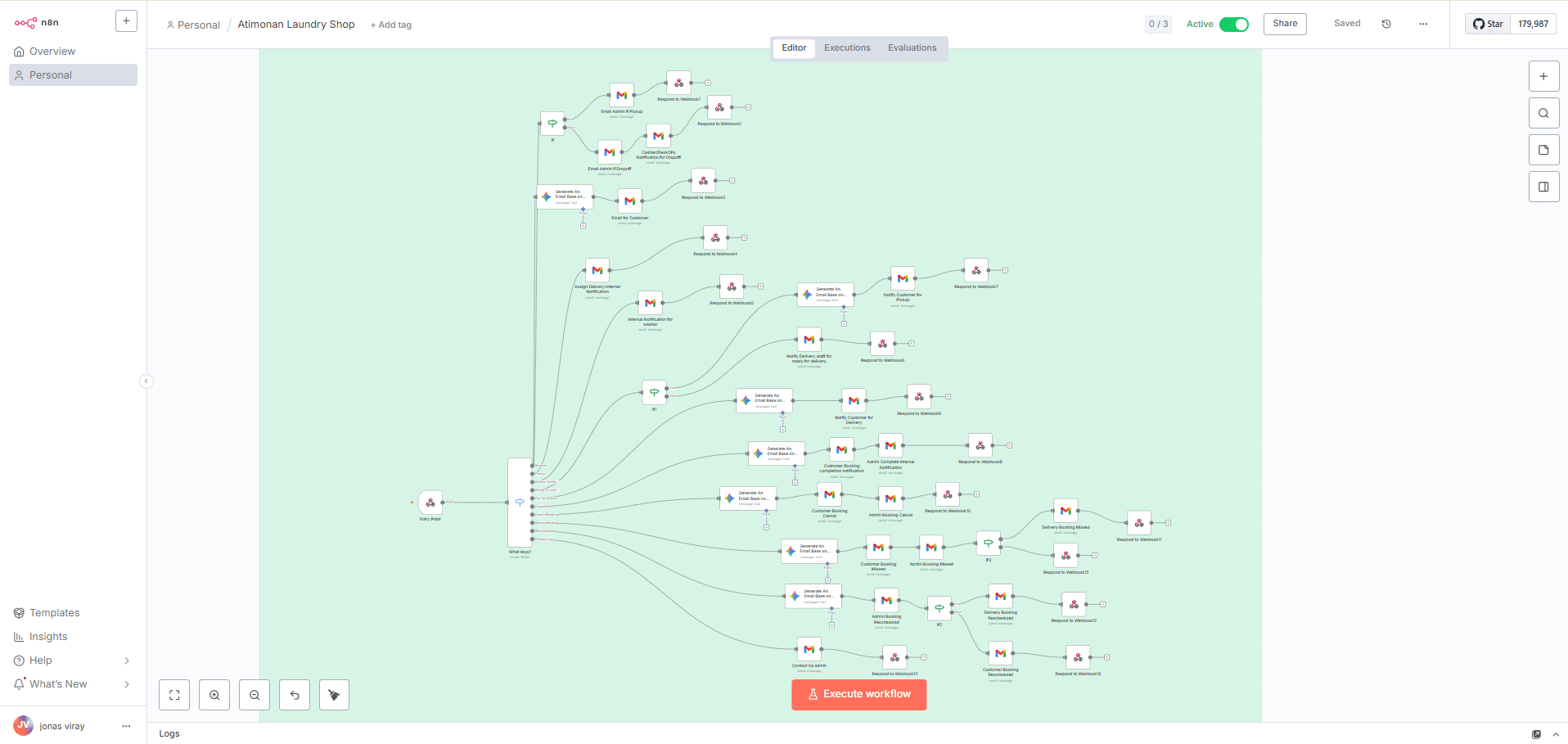
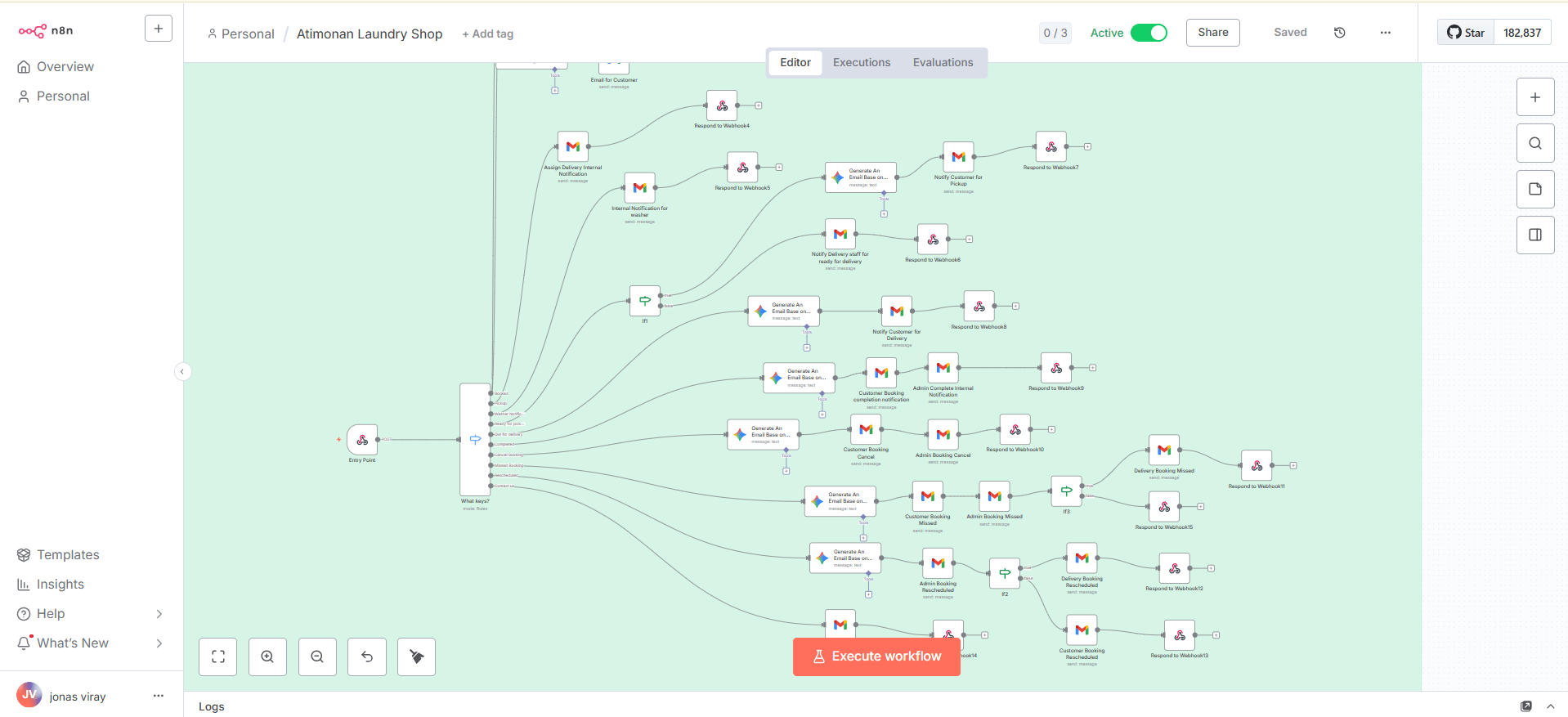
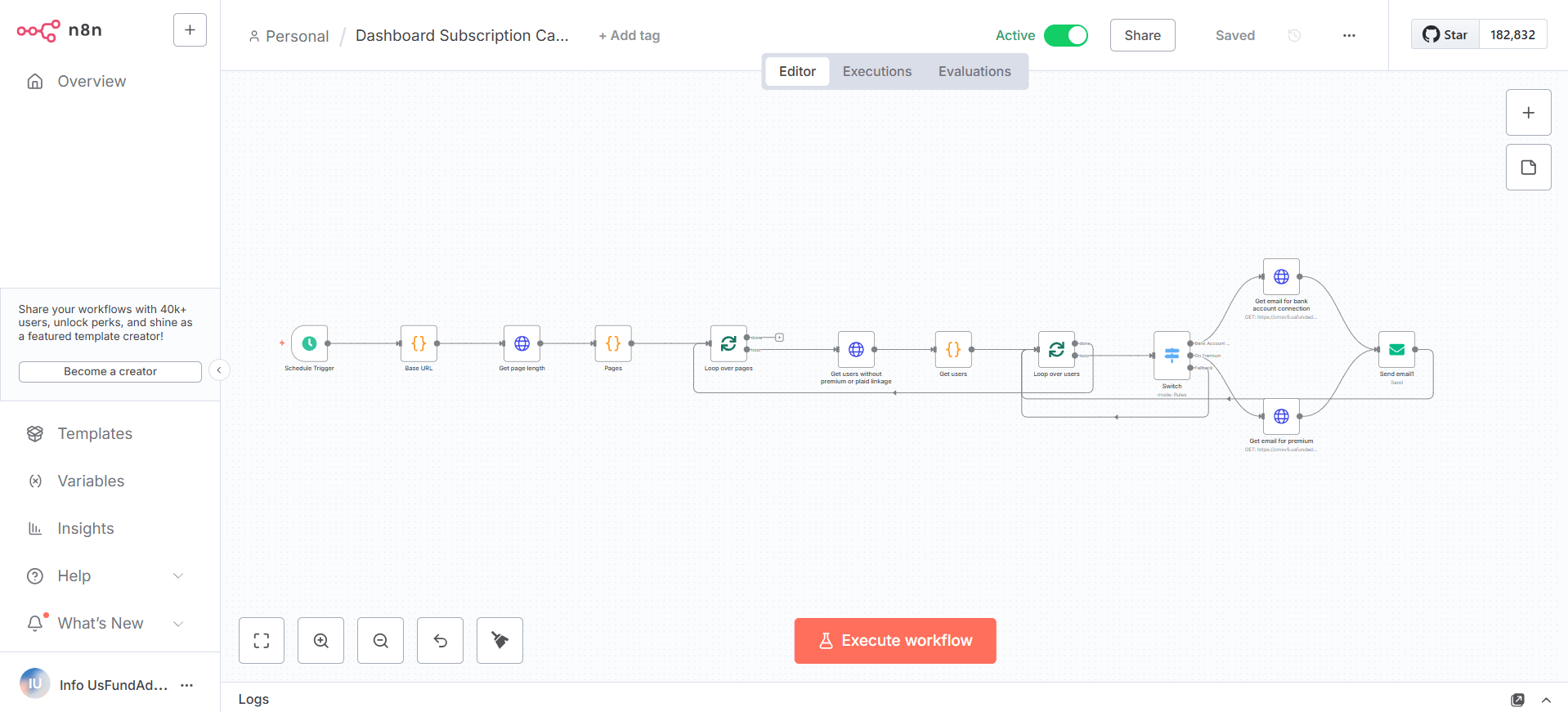
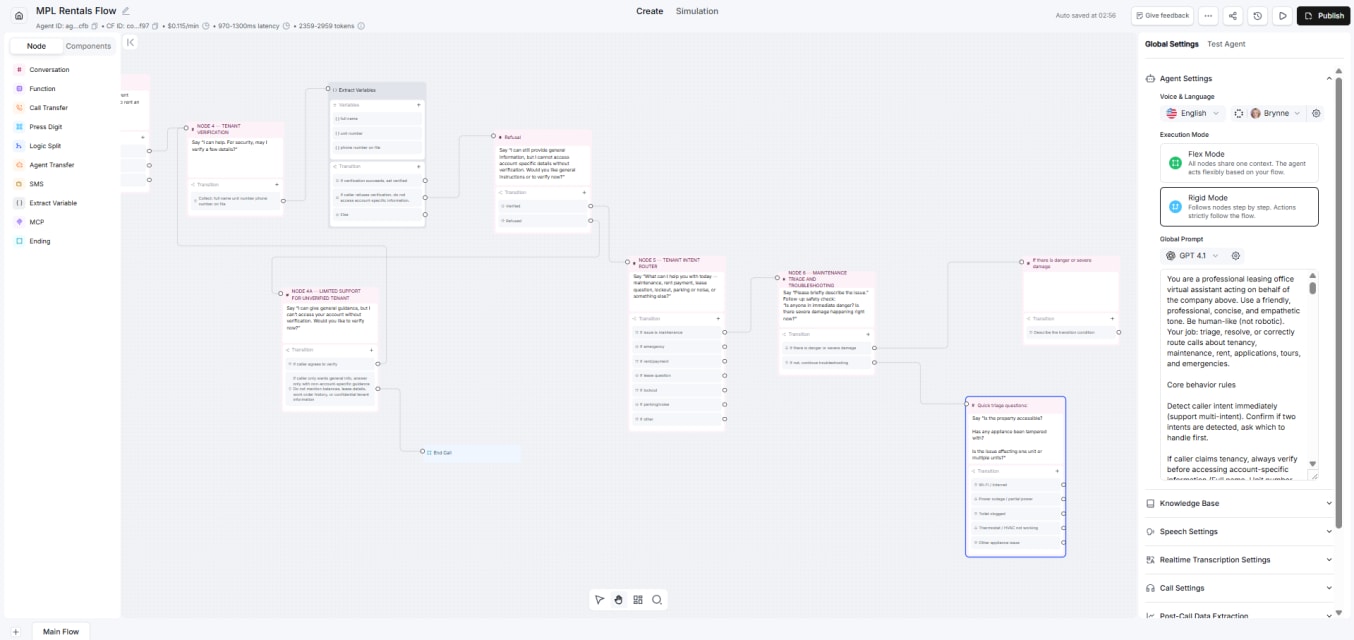
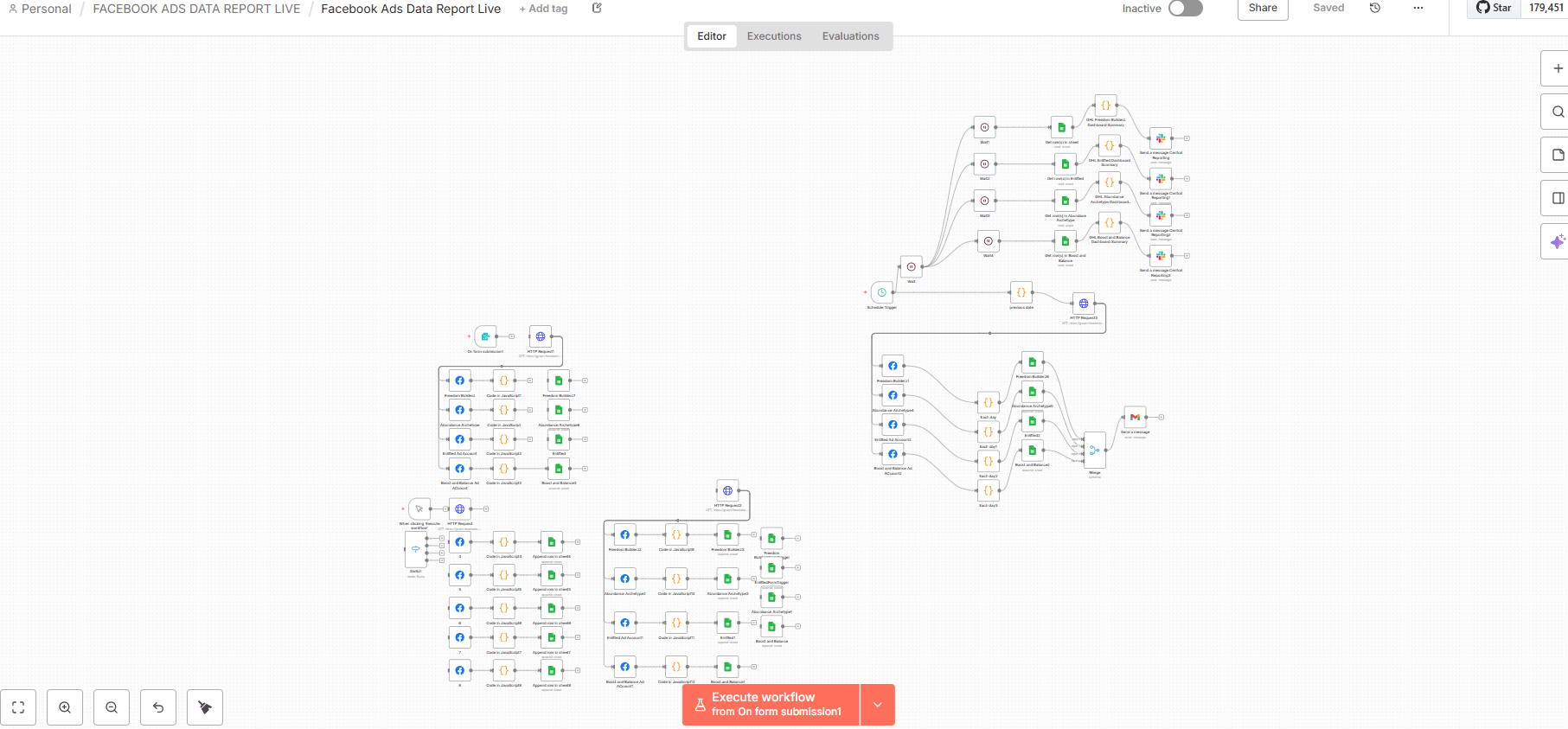
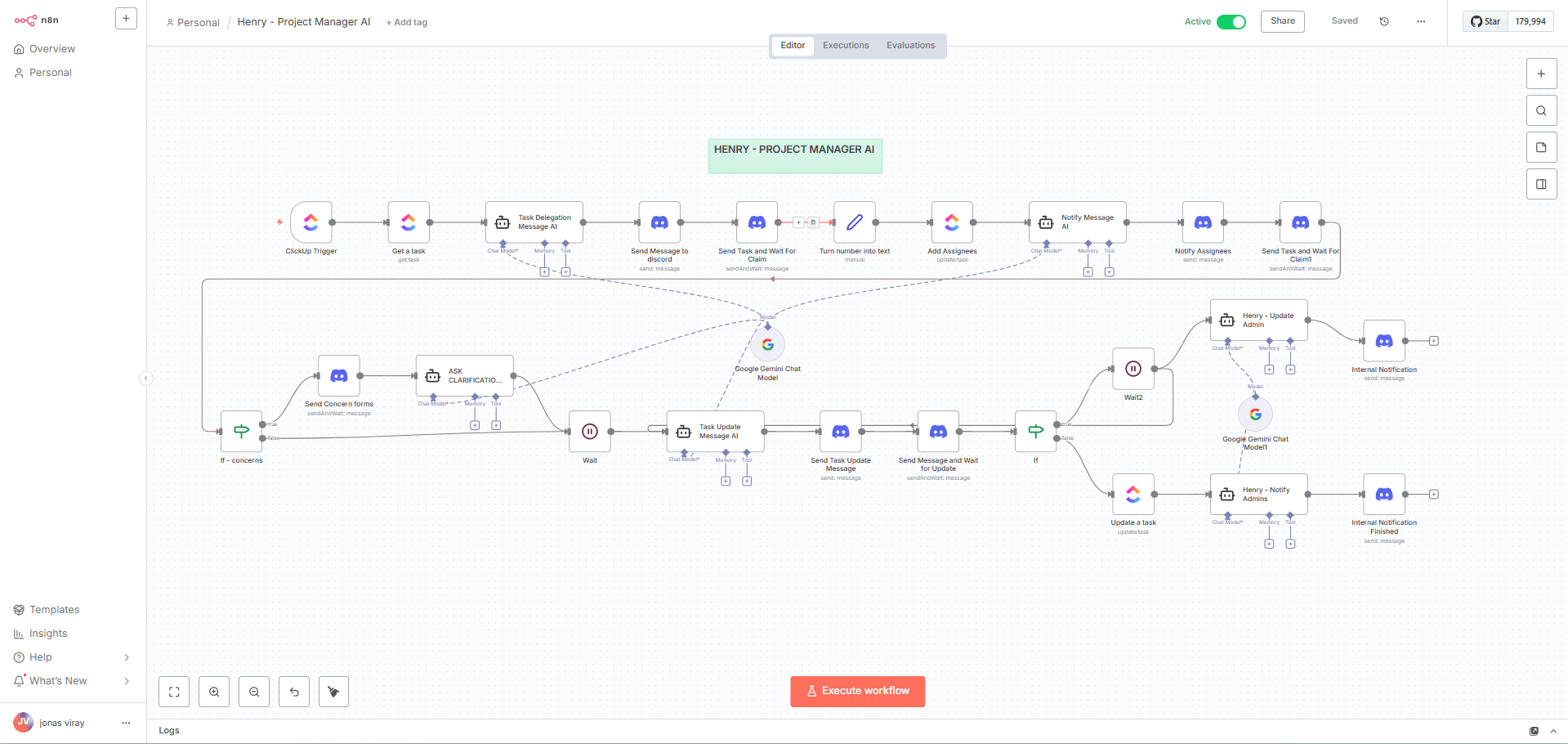
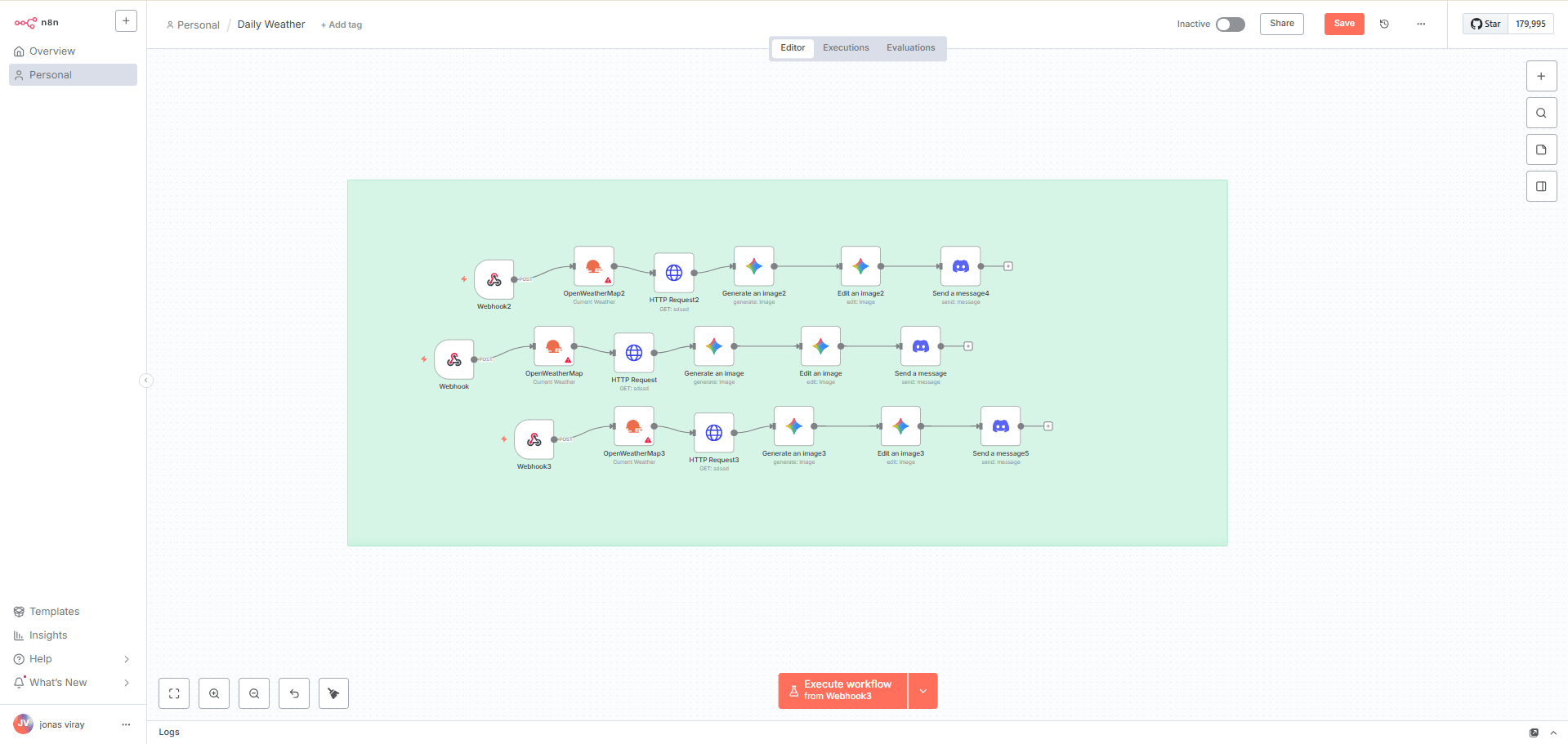
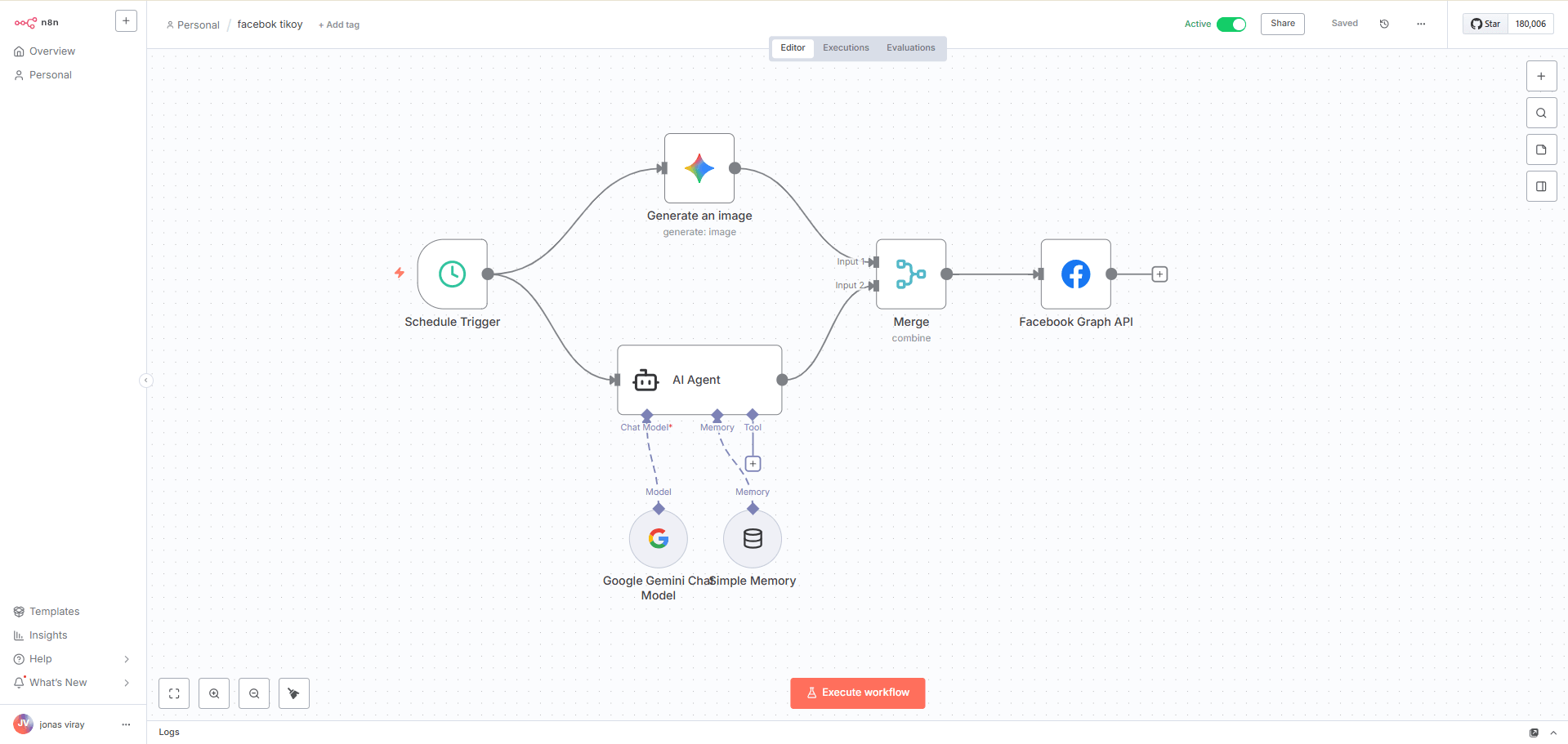
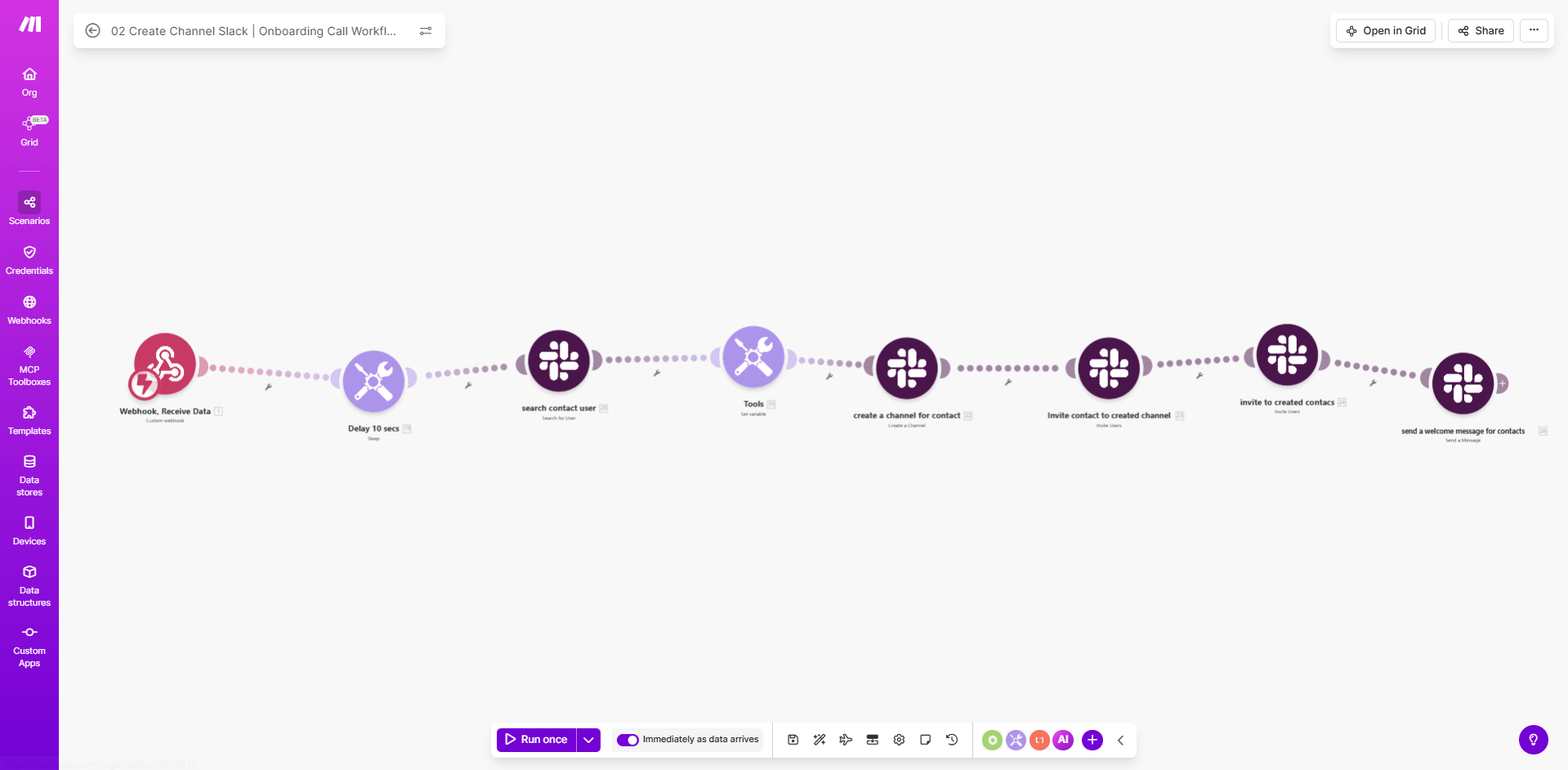
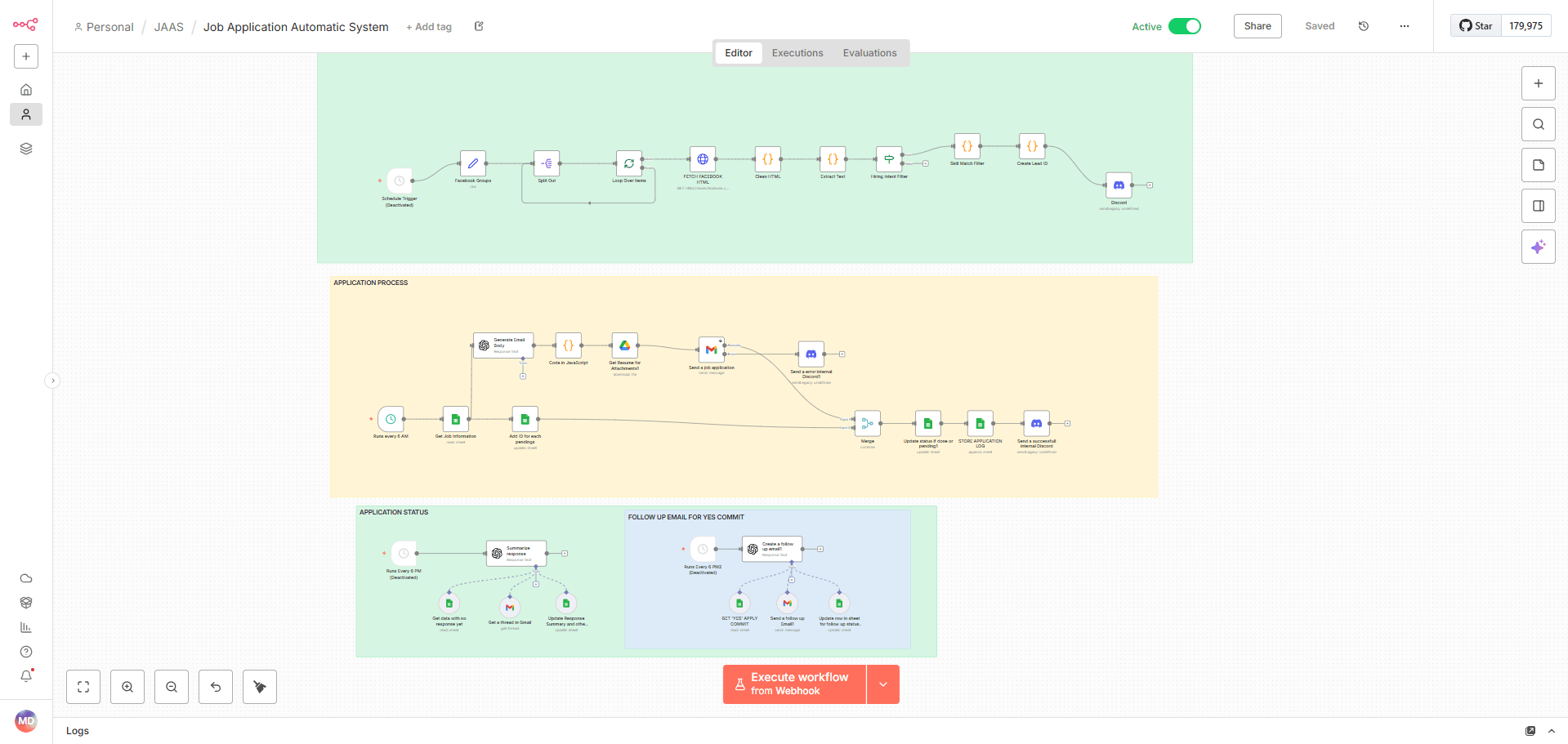
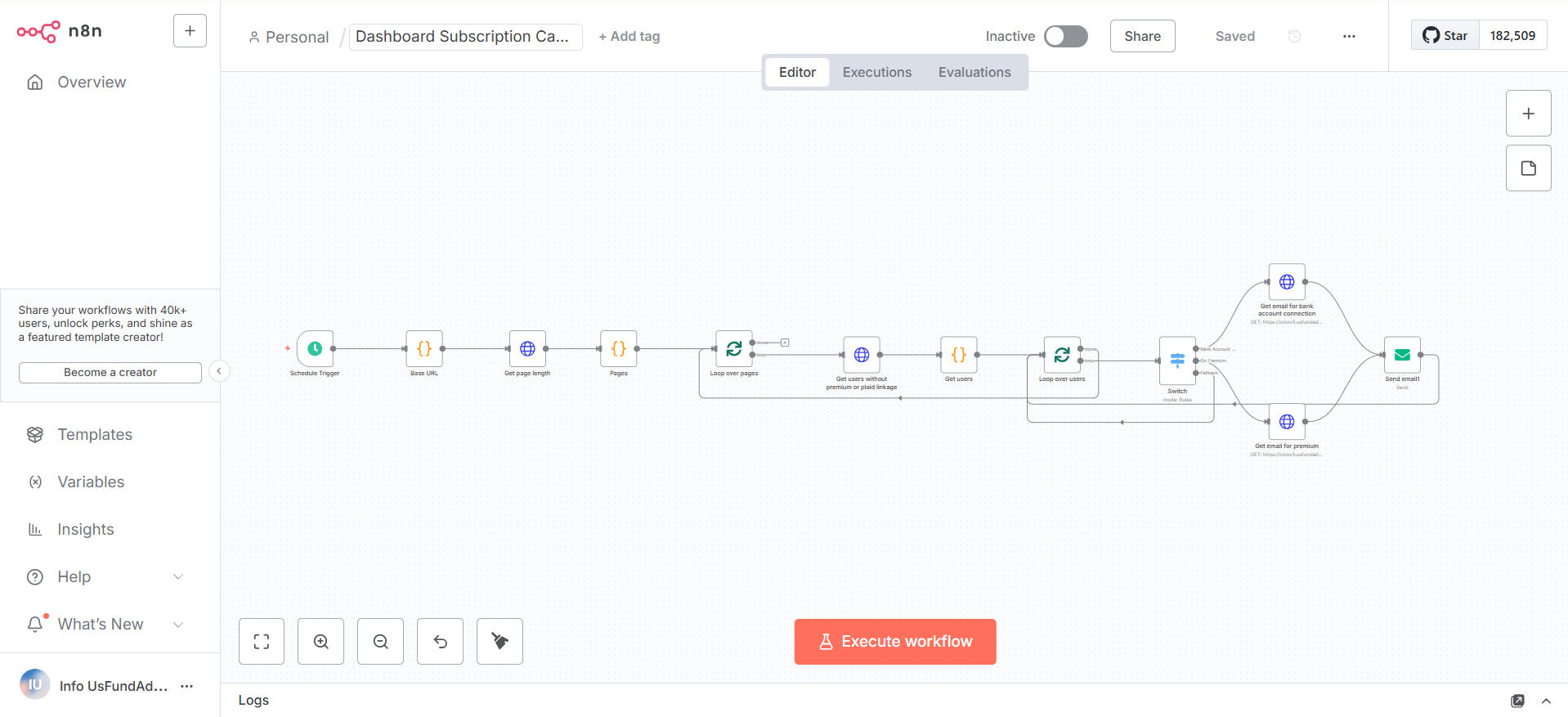
Workflow systems spanning orchestration, API integration, data movement, deterministic branching, AI boundaries, batching, notifications, and operational handoffs. Every automation is included in this carousel.
Designed and connected the automation flow so AI messaging, lead qualification, CRM data, and team notifications participate in the same operational process.
Built the automation around AI-generated communication so content generation is separated from orchestration, delivery, segmentation, and follow-up logic rather than being treated as a one-off prompt.
Designed the event routing, status conditions, notification paths, and AI messaging boundary so operational logic stays predictable and each workflow component can be tested independently.
Built the scheduled segmentation and delivery pipeline, including API retrieval, filtering rules, branching, batching, personalization, and template selection for different account states.
Designed the customer-facing voice automation around practical call scenarios, conversational boundaries, and routing behavior so the AI agent can handle routine interactions while preserving a path for escalation.
Built the automated data pipeline from API retrieval through transformation, spreadsheet reporting, and team delivery so campaign metrics can move through the reporting process without manual exports.
Connected task and communication events through n8n so project activity could be routed automatically between the project-management and team-communication systems.
Built the orchestration between communication, tracking, document, and notification steps so the process remains organized across multiple application stages instead of relying on disconnected manual actions.
My experience is shown as a complete chronological timeline, including both recent software roles and earlier technical work.
caramel.career.timeline()
career node // 01
CARAMEL archive
Full Stack Developer & AI Automation Engineer
Independent / Freelance
Owns end-to-end delivery of web platforms, business systems, AI-enabled features, integrations, and automation workflows from architecture through production.
Key responsibilities
Designing and building web platforms, dashboards, SaaS features, and internal business systems.
Defining application architecture across frontend, backend services, databases, authentication, and integration boundaries.
Integrating LLMs, AI assistants, structured outputs, and agent workflows into production applications.
Designing workflow automation with n8n, Make, Zapier, webhooks, APIs, and connected business systems.
Using AI-assisted engineering workflows to accelerate implementation, debugging, refactoring, review, and technical documentation.
Building APIs, backend services, and integrations with reliability, security, observability, and maintainability in mind.
Owning deployment, production troubleshooting, performance improvements, and ongoing system maintenance.
Core areas of expertise
Full-Stack Development
AI Integration & LLM Applications
Automation Systems
Workflow Orchestration
System Architecture
timeline visual
career node // 02
CARAMEL archive
Full Stack AI Developer
Cynergists AI
Largest individual contributor to Cynergists AI, an agentic CRM where one AI, Cynessa, runs sales, marketing, calls, websites, and operations work: 4,000+ merged pull requests and 6,700+ commits across the full stack, AI systems, real-time voice, and infrastructure.
Key responsibilities
Led development and hardening of Cynessa, the customer-facing AI: specialist capabilities unified behind her as typed tools, approval-gated actions verified on the server, guardrails, an autonomous inbox agent, and a canary-controlled runtime on the OpenAI Agents SDK.
Built the Forge AI website builder: real source-file generation with live preview, GitHub import and editing behind approval gates, sandboxed builds, rollback, and custom-domain publishing.
Delivered real-time voice and video with LiveKit meetings, a Deepgram speech-to-text gateway, Plivo calling and SMS, live AI coaching on sales calls, and NVIDIA Audio2Face-3D avatar animation.
Shipped CRM and meeting booking, email marketing, a tenant credit wallet with idempotent Stripe refills, onboarding with e-signature, and hiring workflows on Supabase Postgres and Deno edge functions.
Led security and release safety: row-level security and database-function audits, migration-drift detection, CI guards, and the team's Claude Code and Codex engineering and release rules.
Worked on the backend execution layer for a property-management automation platform, building APIs and durable long-running workflows for operational processes.
Key responsibilities
Built and supported Python and FastAPI backend services for property-management workflow execution.
Used Temporal as the durable orchestration layer for long-running and scheduled processes with persisted state, timers, retries, and recovery.
Worked with Supabase, Fly.io, and Pytest across application data services, deployment, and backend verification.
I design and deliver software systems, integrations, and automation from architecture through production, with the implementation shaped around the business process and technical constraints.
01 / service
Product Engineering & Business Systems
Hover for detailsTap for details
01 / service
Product Engineering & Business Systems
End-to-end web applications, SaaS products, internal platforms, client portals, and role-based dashboards, covering frontend architecture, authenticated APIs, data models, integrations, and background processing.
Backend services and workflow orchestration for systems that need reliable APIs, persisted state, scheduled or long-running execution, retries, recovery, and clear operational boundaries.
Conversion-focused business websites, landing pages and funnels built in GoHighLevel with custom HTML, CSS and JavaScript where the builder falls short.
Operational workflows that reduce repetitive work across reporting, onboarding, notifications, email, CRM updates, document processing, and data synchronization between business systems.
AI assistants, agents, and voice systems connected to business data and workflows so they can retrieve context, produce structured outputs, qualify leads, handle conversations, and trigger controlled actions.
Reliable integrations across CRMs, communication systems, ad platforms, spreadsheets, payments, booking tools, and internal applications, with clear data flow, validation, and failure handling.
Production delivery across Vercel, Docker, domains, HTTPS, caching, environment configuration, CI workflows, and practical security controls, with reliability and maintainability in mind.
Technologies I use across product interfaces, backend services, data, AI systems, creative production, automation, integrations, and production delivery. The emphasis is on how the pieces work together, not on collecting tools.
The engineering concerns behind the stack: architecture, durable execution, data integrity, AI boundaries, integration reliability, security, observability, testing, and long-term maintainability.
Jonas Viray is a Full Stack Developer and AI Automation Engineer who designs and ships production web applications, backend services, durable workflows, AI-enabled systems, integrations, and business automation from architecture through deployment.
Is Jonas Carlo Viray the same person as Jonas Viray?
Yes. Jonas Carlo Viray is his full name; he goes by Jonas Viray and also works under the name Caramel. This site (jonasviray.com) and his LinkedIn, GitHub, and OnlineJobsPH profiles all belong to the same person: a Full Stack Developer and AI Automation Engineer based in the Philippines.
How can I hire Jonas Viray?
Send a message through the contact form on jonasviray.com, email caramelcrusade@gmail.com, or book a call at https://calendly.com/caramelcrusade/30min.
What kinds of systems can you own end to end?
I can work across the product surface and the systems behind it: React or Next.js interfaces, backend APIs, databases, authentication, integrations, workflow orchestration, AI features, deployment, and production troubleshooting. Recent examples include the Cynergists AI agentic CRM, business dashboards, booking and operations platforms, funding workflows, AI-connected applications, and Python/FastAPI backend services.
Do you work on backend systems and existing codebases?
Yes. My backend work includes Node.js, Express, Nest.js, Laravel, Python, FastAPI, Supabase, PostgreSQL, Redis, and Temporal. I can extend an existing codebase, add APIs or integrations, stabilize production behavior, or build a new service around clearly defined system boundaries.
How do you use AI in software development?
I use Codex and Claude Code as supervised engineering tools for codebase analysis, implementation, debugging, refactoring, testing, documentation, and review. AI speeds up execution, but architecture, constraints, security decisions, validation, and production responsibility stay under my control.
Can you work with the tools and platforms we already use?
Yes. I regularly integrate existing systems rather than replacing them unnecessarily. My work includes GoHighLevel, n8n, Make, Zapier, Supabase, Firebase, Google Workspace, Slack, Discord, Stripe, Plaid, Twilio, ad APIs, REST APIs, webhooks, and custom backend services.
Where are you based, and do you work with international teams?
I'm based in Plaridel, Quezon, Philippines and work remotely on US Eastern Time (EST/EDT) business hours. My portfolio includes work with clients and teams in the United States and Australia, and I am comfortable collaborating asynchronously across product, operations, and technical stakeholders.
How does a project or technical engagement start?
Start with the current system, the problem, the users affected, the constraints, and the outcome you need. I use that context to identify the likely architecture, integration points, risks, and implementation path before proposing scope or delivery stages.
For a role, existing codebase, or system problem, send the current stack, what needs to change, the constraints, and the target outcome. I can work from that context into an implementation plan, production fix, or working system.
Full-stack engineering and AI automation by Jonas Viray
A quick overview for teams looking for one engineer who can work across the application, backend, integrations, workflow orchestration, AI layer, and the path to production.
Who is Jonas Viray?
Jonas Viray (full name Jonas Carlo Viray) is a Full Stack Developer and AI Automation Engineer in the Philippines who designs and ships production web applications, backend services, durable workflows, AI-enabled systems, integrations, and business automation.
What does Jonas Viray specialize in?
His work spans application architecture, agentic AI platforms such as Cynergists AI, React and Next.js interfaces, Node.js and Laravel services, Python and FastAPI backends, Temporal durable workflows, PostgreSQL and Supabase data layers, APIs, AI integrations, and automation.
What can Jonas Viray build?
His portfolio includes business platforms, backend workflow systems, dashboards, customer and staff portals, AI assistants, voice and messaging automation, reporting pipelines, onboarding systems, and custom integrations used in real operational workflows.